
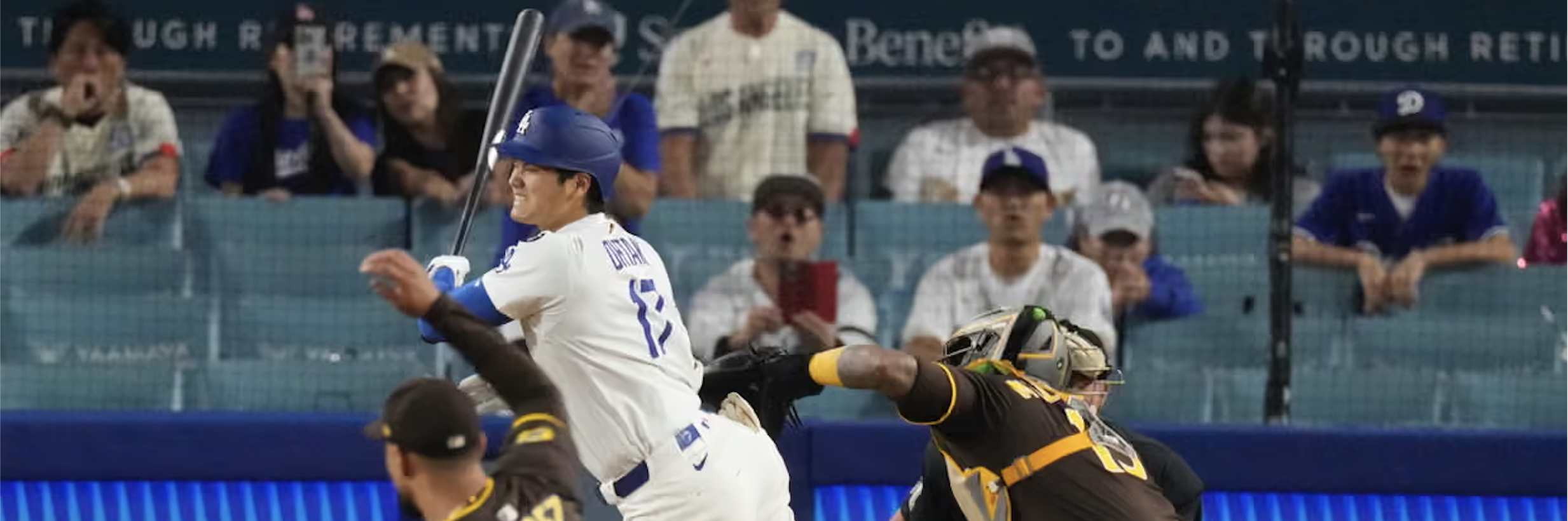
Robert Suarez’ 100 MPH fastball into the shoulder of Shohei Ohtani should’ve been the spark that set this already tense game on fire.
But it wasn’t.
Not only was the pitch ruled as intentional, but it was the second time in the series. Suarez was ejected.
This situation isn’t necessarily remarkable. But what made it so was how superstar Ohtani chose to respond.
He didn’t shout. He didn’t charge the mound. And he didn’t even posture.
In one of the most powerful silent moments you’ll see in sports, Ohtani absorbed the hit and immediately defused the situation using nothing but small, intentional body language.
While tensions surged around him, he led an entire stadium.
He did three things most people wouldn’t:
First, he refused to retaliate.
If you haven’t been hit by a baseball. I can tell you, it hurts. It’s dangerous. People have died from pitches like that. I was knocked unconscious in high school by a pitch nowhere near 100 MPH. Ohtani didn’t posture, threaten, or even visibly complain.
Second, he stopped his own team from escalating.
As Dodgers players began spilling out of the dugout, ready to defend him, This was a fabulous use of his rank. Other players might not have had the status to stop a whole team from rushing the mound, but Shohei did.
Third, my favorite part, he approached the Padres dugout.
While a new pitcher warmed up, Ohtani calmly walked, arms behind his back, head bowed, from first base toward the entire opposing team. He spoke only a few words to them. No one outside that dugout knows exactly what. But honestly, it almost doesn’t matter. Because his body language said everything…
If you want to see what this looked like in real time: Click here
So, what can we learn from this masterclass?
We like to think safety is about procedures, equipment, and technical skill.
And those things matter.
But the toughest part of safety isn’t technical. It’s human.
55% of communication is perceived via body language, and in that moment, Ohtani demonstrated exactly what that looks like at the highest level. Control yourself, and you influence everyone else.
It’s what happens in moments like this, when someone feels disrespected, frustrated, or under pressure. When the instinct is to snap back, shut down, or ignore a dangerous situation.
That’s where incidents are born.
You don’t lose control on a site because someone forgot a rule. You lose it when reactions take over.
Ohtani showed a third option.
Not fight. Not flight. Lead.
Stay grounded. De-escalate. Address the situation directly, with control and intention.
With it being Safety Week, it’s worth remembering:
Safety isn’t just about what you know. It’s about how you show up when it matters most.
If you’d like articles like these delivered straight to your inbox, click here
Tom Esch, President and Founder of Esch Consulting, LLC